
What Our Research Has Revealed About Rural Entrepreneurship Support
By Marci Goodwin, co-founder of SmartStart Business Development
Over the past few months, the SmartStart Business Development team has been deep in the weeds researching rural entrepreneurship programs to better understand what is actually happening on the ground with local microbusinesses and how communities support them.
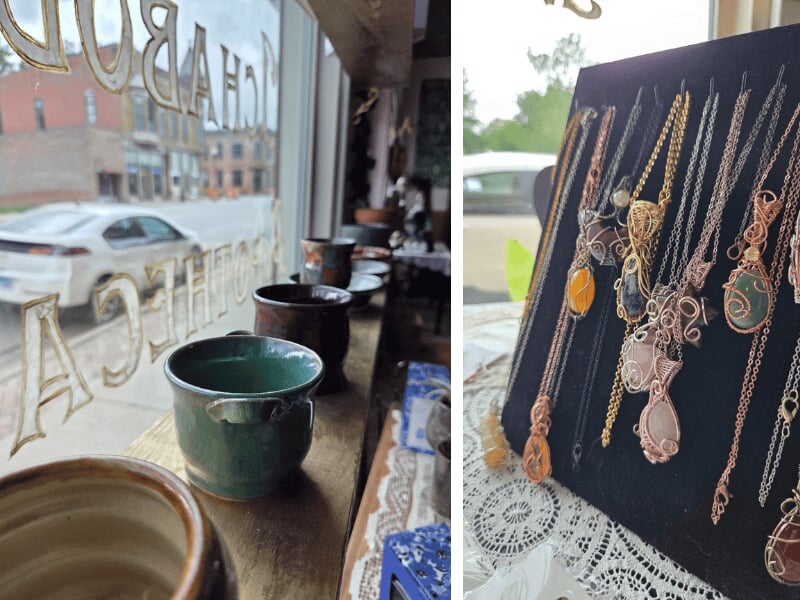
Microbusinesses are those with less than 10 employees and make up 96% of all small businesses in the U.S. These are the mom and pop stores on Main Street, the local hair stylists, and the maker creating jewelry at her kitchen table to see online or in local vendor fairs. These are the businesses that make small communities thrive.
The goal of our deep dive was simple: figure out what’s working, what isn’t working, and where the gaps are. A few patterns quickly became clear.
1. Most rural entrepreneurship programs aren’t designed for microbusinesses
Many initiatives described as entrepreneurship programs are actually designed for a very specific type of entrepreneur: high-growth startups that want to scale quickly. Other programs or initiatives are designed for large employer businesses or businesses who want to scale.
Those programs can absolutely be valuable, but they serve a very small slice of entrepreneurs in rural and small communities — not microbusinesses.
Microbusinesses do not need pitch decks, venture capital, or the business model templates meant for large-scale startups. Start-ups are building for speed, scale, and venture capital investments.
Microbusiness owners are building to bolster or replace their job income and provide goods and services to their communities. They need to know how to build a stable, sustainable business – not how to disrupt industries.
2. Microbusiness programs are usually temporary
In the communities where microbusiness support programs were in place, it often looked like:
- a micro-loan program
- a short training cohort
- access to a business coach during a grant year
- random small business workshops
Each of these can help, but most are pilot programs tied to short-term funding. When the grant ends, the program often disappears — and so does microbusiness support.
Entrepreneurship, however, doesn’t operate on a grant timeline. People explore business ideas, launch ventures, struggle, pivot, adapt, and grow over many years.
Short-term programs can provide helpful sparks, but they rarely create lasting entrepreneurial support systems.
3. Many small business programs focus on space or capital, not business fundamentals
Another pattern we saw repeatedly is that many microbusiness initiatives focus on providing space or capital, but not ongoing business development support.
Communities often invest in:
- shared retail incubators
- commercial kitchens
- coworking spaces
- micro-loan funds
These can all be valuable tools. But many entrepreneurs still struggle with the fundamentals of running a business – like identifying their ideal customers, pricing their products or services, and building a marketing strategy.
Without ongoing guidance in these areas, early investments in space or capital don’t always translate into long-term success. Business owners need to know how to run their business once they are in the space, not just how to access it.
In many cases, a more effective starting point is not building something new, but using what already exists.
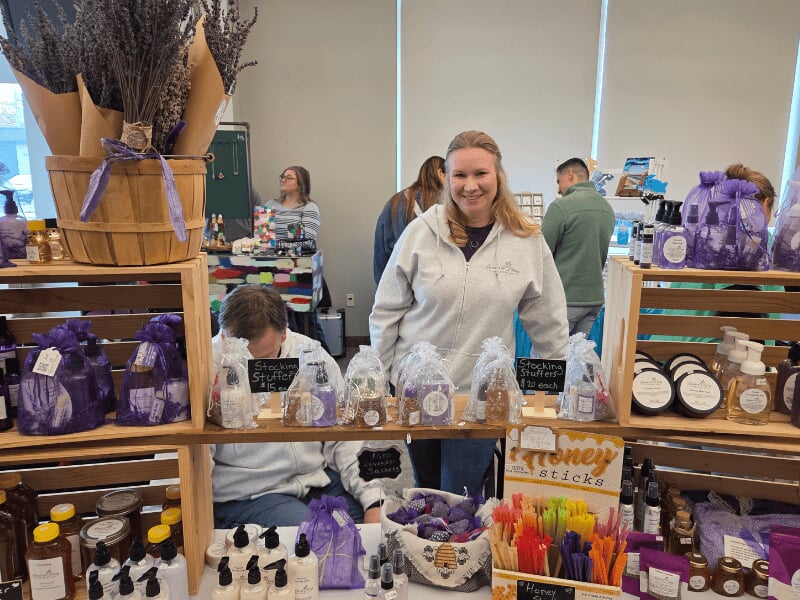
We see this play out in simple, practical ways – microbusiness owners testing products at vendor markets, or selling through shared retail shelves inside existing Main Street shops. These low-cost, real-world environments give entrepreneurs a chance to learn, adapt, and build customers before taking on the risk of a full storefront.
Instead of investing heavily in new incubator spaces, communities can often get better results by creating more of these opportunities for microbusinesses to test and grow within the systems that are already in place.
This could free up more funds for microgrants and microloans for those business owners within the support system who now know how to invest the money wisely in their businesses.
What this tells us
Taken together, these patterns reveal something important.
Many rural and small communities genuinely want to support entrepreneurs, but the programs designed to do that often miss the majority of entrepreneurs who actually exist or aren’t available long enough to make a lasting impact.
Meanwhile, the microbusiness owners who make up the backbone of their communities need practical business education geared toward microbusinesses, guidance, and support that exists over time, not just during a grant cycle.
The bigger opportunity for rural communities
In a recent conversation with Mary Athey, VP of Entrepreneurship at the Southern Minnesota Initiative Foundation, she shared what she’s learned from overseeing the Rural Entrepreneurial Venture (REV) program that perfectly summarizes what we’ve seen as well:
Rural entrepreneurship programs work best when they are embedded in local or regional economic development strategies — not treated as one-off projects.
In most other areas of economic development — workforce development, business attraction, and downtown revitalization — communities have built permanent support systems and institutions, not just short-term programs.
Workforce development has workforce boards, training institutions, and ongoing funding streams. Business attraction has dedicated economic development organizations, marketing strategies, and incentive structures. Downtown revitalization has long-term programs like Main Street America that provide ongoing coordination, promotion, and business support.
These efforts are not treated as temporary experiments. They are embedded into how communities approach economic development.
Microbusiness support, however, rarely has the same level of permanent infrastructure with a cohesive system behind it. Instead, it is often delivered through short-term projects that appear for a year or two and then disappear when funding runs out.
Questions worth asking
Microbusinesses are the backbone of the rural economy and make up 96% of all small businesses. We discussed their economic impact here.
These entrepreneurs need support beyond random workshops and a website full of links and videos with no direction.
Entrepreneurship isn’t like a job that you start and stop in a specific timeframe. People need support when they explore a business idea, launch their business, struggle, pivot, and grow. Those needs don’t happen on a grant timeline.
This raises important questions for communities:
- Are we launching one-off entrepreneurship or microbusiness projects, or building systems that support entrepreneurs over time?
- What would it look like if supporting microbusinesses became a permanent part of our local, regional, or statewide economic development strategy?
- About the Author
- Latest by this Author

Marci is a long-time entrepreneur, co-founder of SmartStart Business Development, and a microbusiness advocate focused on helping small towns and rural communities rethink how they support local entrepreneurs.




Really insightful article. Many rural entrepreneurs need consistent operational and business support beyond just funding. Practical assistance, mentorship, and ongoing guidance can make a significant difference in long-term business growth and sustainability.